Rosa's Green Beans
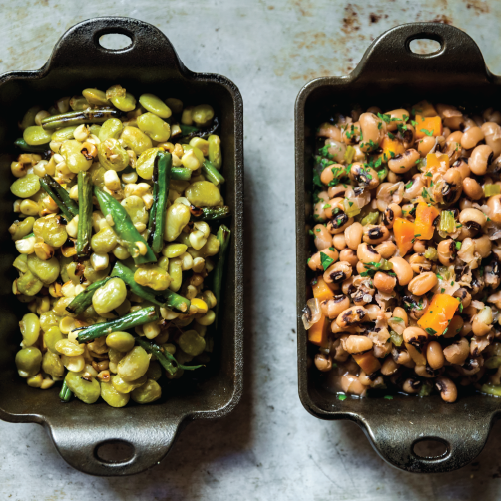
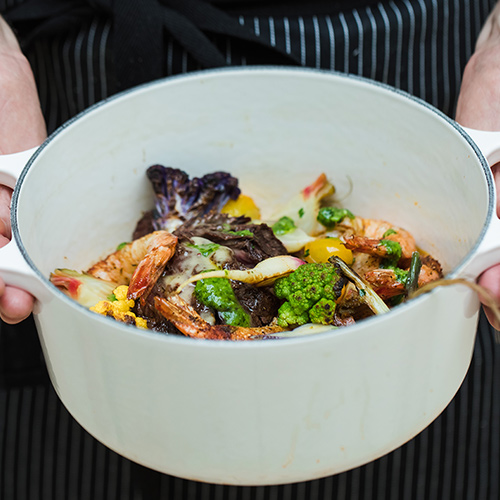
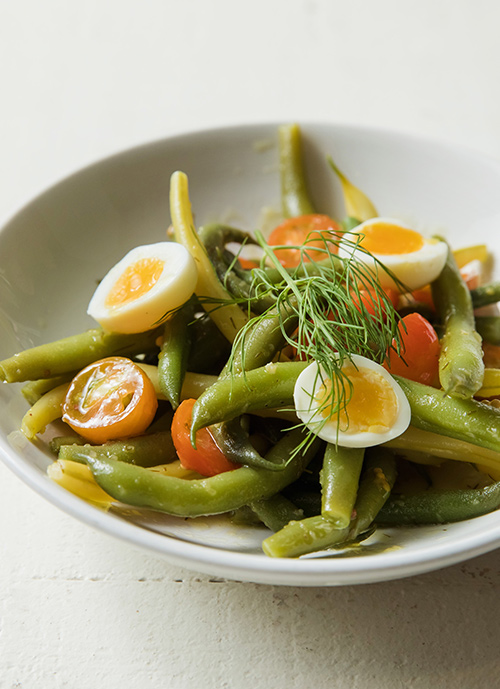
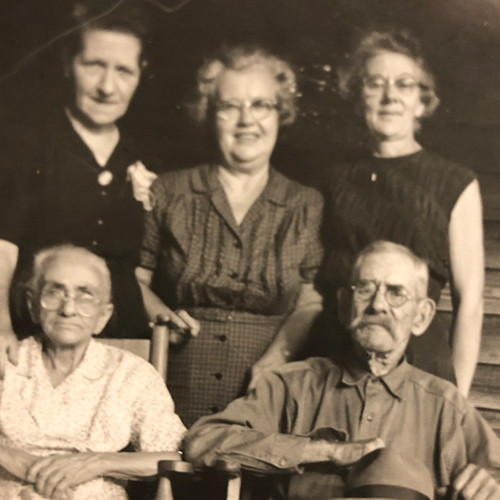
Some my favorite vegetables and sides right now are the pan fried green beans. These, along with the pan fried corn, are adaptations from Karen’s paternal grandma, Grandma Rosa, from Oxford. I love to take thoughts and tastes from our parents and grandparents and rework them for today.
I was working in the kitchen at the original Noble’s when my future father-in-law, Dick Averette came by and asked me what I was cooking. We were sauteing corn, to which he told me how his mom cooked corn. I gave it a try and man was it great. He said she would get a cast iron skillet very hot and add butter. While it was sizzling she would add the fresh cut corn, salt and pepper – a lot of pepper he said. When it began to caramelize, it was ready.
We began to cook corn at the restaurants just that way from then on. It is the biggest single item sold at Rooster’s Wood-Fired Kitchen. However, Rosa’s pan fried greens are giving them a run for their money.
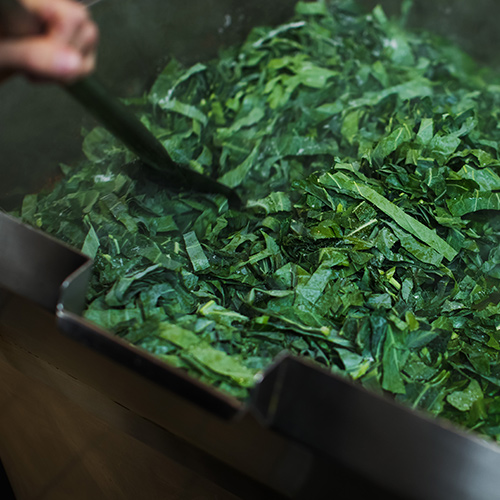
What I understood, since I had enjoyed neither personally, was that Rosa would cook her green beans with fatback or some pork product and simmer them down until almost all of the cooking liquid was gone. The green beans would then begin to fry in the rendered pork until they began to brown slightly on the outside. It sounded pretty good to me so we gave it a try at Rooster’s. They have been flying out of the kitchen since.
We cook the green beans in chicken stock with house cured bacon until most of the cooking liquid is gone, just like Rosa did.
The next time you are in the kitchen or in one of ours try these beans.
Tags: Culinary · Uncategorized · Vegetables
November 22nd, 2009 · 1 Comment
When I came home from work tonight, I brought a late dinner. Often I eat standing up while at the restaurants, but tonight I decided to eat at the counter when I got home. Nothing seemingly special or extraordinary, but something good to go with the bottle of Eric Solomon’s “St Jean de Barroux” from the Cote de Ventoux I had started the previous evening. This wine is wonderful. Sous Chef David cooked a half of a prime ribeye, over hickory and oak, medium rare for me and I asked him to sautee some mushrooms to accompany the beef. When I got home I noticed Olivia, my youngest daughter eyeing my plate, so we shared – only the food.
So simple, so understated was my dinner, but I truly gave thanks for this meal. The ribeye, with a veal demi-glace and of course some beurre monte and the wonderful, seasonal mushrooms sauteed in butter. But man, how the flavors of this simple late night dinner danced across my palate and I was in culinary heaven.
It’s times like these, which come by not as often as I would like, that I am reminded why I do what I do. Food and wine working together in such harmony, yet subtly. The cool evening November air another component.
By the way St Jean de Barroux is my personal pick at Bin 19 for the next few weeks in all restaurants.
Before it slips away, enjoy our Carolina fall!

Tags: Culinary · Wine
On my last post I wrote about the changing season, cooler weather and its effect on all of our menus – in homes and restaurants. I talked about how the availability of seasonal foods and long awaited products would transpire our inspirations. Currently here are some of the preparations and items that are showing up on our menus:
At Rooster’s Wood-Fired Kitchen: Chef Joe Kindred is offering pumpkin gnocchi with hazelnut pesto, Grateful Growers pork chop with fall mushrooms and Anson Mills farro, collard greens with house cured NC bacon, fire roasted brussel sprouts, Carolina pork ribs….
At Noble’s: Chef Kyle Krieger is featuring House smoked salmon with York apple consumme, foie gras with local apple butter, Autumn truffles from Umbria, hog nosed snapper with spaghetti squash and mountain chanterelles, duck with local sweet potato puree and Sammy’s baby turnips, Sammy’s collards and NC field pea cassoulet.
Noble’s Grille: Chef Phil Barnes is serving parmesan gnocchi with fall black truffles; arugula salad with poached pears, grapes, haricots verts, Goat Lady chevre, walnut vinaigrette; grilled NC Poulet Rouge with house bacon braised brussel sprouts & yukon puree; grilled duck Breast and Leg Confit w/ parsnip puree, frisee, roasted baby carrots and baby candy striped beets, duck jus; grilled leg of antelope, over wild mushroom Anson Mills farro risotto with asparagus and natural jus; Fisher Farms sweet potato puree, Fisher Farms braised collard greens, pumpkin crème brulee with spiced biscotti; and, Moravian sugar bread pudding (beginning Nov. 23rd)
More thoughts coming later, on the next post. Also my thoughts on Carolina BBQ – check our blog at:
http://myhogblog.net
Tags: Uncategorized
As we are heading full steam into the fall season, we quickly begin to forget the summertime flavors of fresh summer vegetables. As much as I lamented in our last post about giving up the tomatoes (and also things like fried okra, stewed summer squash, fresh cucumber slices and of course fresh garden corn) I begin to anticipate the tastes of this cooling season. And now as I sit inside on this cool November morning, I have no desire to eat a tomato sandwich as the fall weather begins to engulf the Carolinas.
My heart turns to the taste of this weeks harvest. From Fisher Farms, New Town Farms & Matthew’s Farmer’s Market here is what will make it’s way to the table: pumpkins of all types, collards, sweet potatoes, new crop pecans, Austrian crescent fingerlings, green onions, carrots, white and red turnips, assorted radishes, beets, varieties of kale, braising greens mix, baby fennel, mustard spinach, mustard greens and assorted winter squashes.

Texas Bird Hunt
One of my favorites will be oven roasted pumpkin. This is where we skin and cube pumpkin flesh and roast in a wood-fired oven until tender – wonderful and so tasty on cold fall evenings. The last of the peas and beans we have (or can still get) will make their way to cassoulets for pairings with house cured bacon, lamb or pork braises and roasts. Soupe a l’oignon gratinee will also taste oh so much better when we are wearing warm coats and jackets as we make our way to restaurants and friends’ homes for dinner. Let’s not forget the wild game and fowl we will enjoy from the opening hunting seasons, like venison, pheasant, quail and Texas antelope.
As much as I love each season we are find ourselves in, and the cuisine we receive from the local farms and markets in its season, I am reminded of how much I enjoy living in the Carolinas – with its ever growing local farms bounty!
Tags: Culinary · Vegetables
September 24th, 2009 · 4 Comments
Summer and tomatoes. Summer is almost over and sadly so too are the tomatoes. But that is the beauty of seasonal food. But summer is my favorite time for vegetables.

summer tomatoes
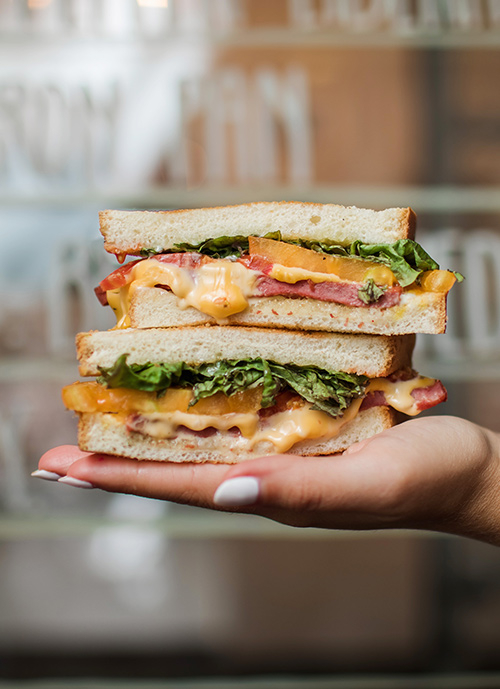
When I think about summer, I instantly think of tomatoes. When I reflect on my childhood, among my fondest memories are the vegetables from Grandaddy’s garden – especially the German Johnson tomatoes. My Dad was a manufacturers rep and traveled North Carolina selling furniture, so he was gone 3-4 nights a week. I inherited my love for dining out from my Mom. When Dad would be traveling, Mom would take us out to eat – that was an easy dinner and fun, too. Often in the summer, Mom would throw us three kids in the car and head to Mamaw and Grandaddy’s house on summer evenings for dinner from his garden. We would eat on the picnic tables under the oak trees, near the florist shop in the back yard. The food was heavenly, and southern. Sometimes we wouldn’t have any meat, just vegetables – like sliced tomatoes, fried okra, potatoes, corn, butter beans, green beans, stewed squash, beets and peas just to name a few. But my favorite were the tomatoes. I’m talking about the large, cat-faced, pinkish red skinned juicy tomatoes that our 2 Napkin BLT’s are now made of. I love tomatoes and all their culinary possibilities, like tomato sandwiches (with mayo and light bread), sliced tomatoes with sea salt and great olive oil, macaroni and tomatoes, tomato slices with fried okra. I remember seeing the tomatoes on the vine, suckering tomatoes with Grandaddy and watching them ripen from green to red on the vine. It seemed like that took forever. Grandaddy taught me how to sucker and tie tomatoes.

Fisher tomatoes
Grandaddy, my Mom’s dad, was from Iredell county, before Iredell county was cool. His name was Stamie Stroud and he was a big strapping fellow with big tough from working hands. He grew up on NC901 halfway between Mocksville and Harmony. In his youth, driving tobacco from home to RJ Reynolds in Winston-Salem was a three day journey. After unsuccessfully trying to convince his Dad to raise beef cattle, he moved to High Point to work in the furniture industry. He told the Lord, if you get me a job, I will serve you all of my life, which He did, and he did. He went to work for Globe Parlor Furniture doing piece work in seat caning and during the depression was earning more salary than his supervisors, which he wouldn’t allow. He gave back some of his earnings. He eventually became the cabinet room foreman. It was here at Globe that someone gave Grandaddy a German Johnson tomato plant in the mid 50’s and that was all she wrote for him and eventually me. He planted the German Johnson tomato plant and loved them. They have always been some of the best tasting tomatoes we ever had. Grandaddy saved the seeds from his biggest and best tomatoes for over 50 years and would germinate them in late February. He would plant them in the garden after the last frost and we would then patiently tie, sucker, tie, sucker and wait until July. No matter how soon you got them in the ground, it was always after the 4th of July before they would ripen.
One of our best tomato fans was Skipper Beck, my buddy. Come June, he would come in and start asking, “Hey Noble, when are the tomatoes gonna get here?” ”In July like last year” I would say every year. No matter when you plant them, it’s July for the big beef steak tomatoes. That is the beauty, that is the romance of summer foods. Who wants a tomato sandwich in January? Not me, and I am a big tomato sandwich kinda guy, but they are best in the summer. I have grown to love tomato sandwiches on organic, whole wheat breads.
Most of our tomatoes in the restaurants now come from Fisher Farms and New Town Farms.
Think about the tomatoes you are enjoying now, for the next few days or weeks. Isn’t it the time of year and the tomatoes and the local veggies that just feel like summer? Like the pool, and the beach and the heat…. and the tomato sandwich. Before you know it, someone will be asking me when the tomatoes are going to be ready. But for now, start dreaming about cassolette, acorn squash and butternut squash and Indian corn.
Tags: Vegetables
September 10th, 2009 · 1 Comment

Julia Child
Julia Child had a profound impact on my culinary career and let me tell you how. I was living in Clemson, SC around 1981 and just getting into cooking and learning about wine on a more serious basis knowing that I wanted to soon open a restaurant. My first thoughts were to do a NY styled deli in Clemson. About the same time, I received a wok as a Christmas gift, with which I began to do some serious Chinese cooking. However, after several months, I was bored with wok cooking and really desired to find a more challenging cuisine, to do something more substantial. I enjoyed cooking, and always have. I found myself looking for cookbooks at the mall in Greenville when I came across Julia Child’s two volume set of Mastering the Art of French Cooking. For a young fellow in his twenties, the price of $40 for the two books seemed high and I wrestled with buying them for a week or two. Finally, I threw caution to the wind and bought the books. I felt at times as I began poring over the books that I may have been reading in French, but I was really enjoying them. I didn’t understand everything, nor have all the equipment I needed. However, when I was ready, I put together my first dish, “Chicken Fricasee.” I didn’t have any enameled iron cookware and modern equipment, but I did have an electric skillet, which Julia said would work. It took me about 2-3 hours to prepare my first french dish. In the movie “Julie and Julia,” the lady from the publishing company tried her first recipe “Boeuf Bourguignon” from Julia’s hand-typed manuscript. Her expression, with closed eyes, as she tasted the dish, was heavenly and I am sure it matched my expression when I completed and tasted my first French cuisine, Chicken Fricasee, a la Julia Child. Wow, was I blown away. From that point on, I began to learn French cuisine. My kitchen was soon filled with a Cuisinart food processor, enameled cast iron cookware, good knives, etc… Most of my income went into my scarce kitchen, but it was soon well equipped and I was on my way to enjoying and preparing wonderful cuisine. I didn’t know food could taste so good. Our family cooked the dish again last Sunday evening, for the first time in a while. It was still wonderful.
So thank you Julia Child for bringing wonderful French cuisine to America many years ago, thank you for pouring yourself into us and improving the dining scene in the U.S. We are all the better for it.
Tags: Chefs · Culinary
What a wonderful time of year for fresh produce from local farmers. Right now we are enjoying the best of heirloom tomatoes and local peas and beans.
This is an article I wrote for the Carolina Farm Stewardship Association publication (http://www.carolinafarmstewards.org)
Ahh, Those Wonderful Bean and Peas, Whatever you Call Them
When I sit at my desk on this cold, rainy, almost snowing February night, it seems a far cry from the great bean, peas and legumes on my mind from last fall, or even from the upcoming spring vegetables that seem so close, yet so far away. I believe that winter gives us a chance to rest and reflect and build our anticipation for the next season’s harvest. Of my most favorite are the beans, peas and vegetables closely related to the Carolinas and the South.
Looking ahead to the hot days of summer as you drive the back roads to the beach, the roadsides are specked with handmade signs for home grown vegetables, but most particularly the baby lima beans. Affectionately called butter beans, these are best when you pick them small. I recall the wonderful rural smells of turned dirt, summer hot breezes with the sound of cars and trucks occasionally whizzing by on these beach bound state roads. What I don’t see as much on the road, but usually find during family reunions, church picnics and out of proud family gardens are my favorites, the southern peas. They come in many varieties, shapes, colors and names. Trying to find the names is like trying to get the best advice on local barbecue, which differs according to the queried pit man. It seems like each farmer or farmer’s market clerk has their own idea of what they are called. But let’s make a go of it.
Last fall’s crop of beans and peas was the most spectacular, or shall I say, the most spectacular for me as a chef. Each week as we headed back from the farmer’s markets – take your pick – our cell phones would ring with the typical question, “What type of peas or beans did you find today, Chef Noble?” They’re kinda getting use to the idea that I love these little “scutters” and keep bringing in all types. My favorites last fall were the white acorn field pea, or by some folks nomenclature, white acre field peas. Either way you say it, they were great. I hadn’t seen these before, but when we eyed them at the farmer’s market (referred to from here on as the “market”) I knew I had to have them. Little did I know how great these peas would be. Now these aren’t your normal pea, like the English pea, but typical of southern peas. These look more like the beans or peas inside the green bean. These were only one of the several peas we served last year. We had field peas, crowder peas, cow peas, pink eyed peas among others, but we just couldn’t get a handle on their names. Oh I had names for them, but mine didn’t always match the farmer’s, nor did the farmer’s names match up with other farmers.
So I began my quest on the proper names. Now I don’t mean the proper scientific name, but the proper name used by a Southern gentleman farmer or chef. (I like to throw us chefs in the likes of the Southern gentlemen). If you ask one farmer what some peas are, he may tell you one name and another farmer may give you his name of the pea with his interpretation with history to back it up. Now for this dissertation I am not referring to garden or English pea, but to the princely southern peas and their family, namely the crowder pea, field pea, purple hull pea, white acre pea, pink eyed pea and the granddaddy of them all here in the Southeastern part of the states, the black eyed pea.
My favorite, until the white acre (acorn) field pea, was the small brown field pea. Now one gentleman may tell you that field peas are the ones left in the field to dry, and he may be right. But oftentimes the name field peas refers to the delectable small oval shaped brown pea that cooks up so delicious. One of my favorite college buddy’s mom used to cook field peas along with a dozen other fresh vegetables from her garden for us when we would visit. Those times, are to this day, some of my fondest “food” memories.
I made my mind up to find out more about the names of these peas and beans so I called Maria and Dane Fisher of Fisher Farms. We talked about the fact that these relatively few number of peas had quite a few names and that she mentioned that she would call her professor from college where she studied horticulture. When I asked her where he was, she said Penn State. I said never mind. He is too far removed from the small, fertile, flat farms of rural eastern North and South Carolina. He may not know what we were talking about, particularly when it comes to the many names of field peas. Furthermore, I don’t need the Latin name, just what the good ole folks from around here call them.
Look at this from www.southernexposure.com :
Southern Peas or Cowpeas:
Southern peas, cowpeas, field peas: (Vigna unguiculata) Black-eyed peas: (Vigna unguiculata unguiculata) This vegetable seems to have a different name in each section of the country. Southern peas are also called cowpeas, field peas, crowder peas, and black-eyed peas. By whatever name you call them, they’re an old favorite in the South
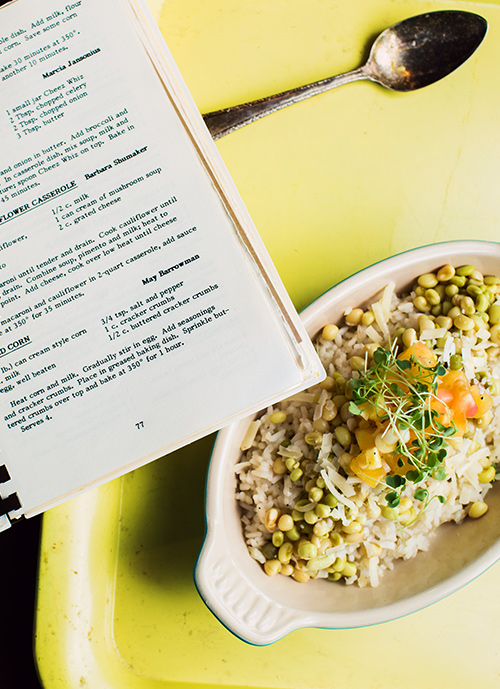
That’s what I’m talking about. They might as well have said a different name in each county. Whatever you call them, they are the beloved peas of the South. And don’t’ forget speckled butter beans, succotash (corn and butter beans) now famous at Rooster’s Wood Fired Kitchen, October beans, fresh pinto beans (if you have never had them fresh and not dried, you are in for a treat), and I am looking forward to finding out about some others I have not tried, like rice peas – tiny white seeds as small as rice, pre-1860 southern cowpea.
Well if you are confused, then join the team. But who cares, if you know what you like and you can recognize it when you see it, you are in good shape. Buy them or grow them, but cook them and eat them.
I like to cook all of these in pure water with extra virgin olive oil, butter and sometimes a smidgeon of prosciutto – better known as country ham around here. Use just enough water to cover, season with butter, salt and pepper and cook on low heat until tender. Peas and beans have a cooking tipping point. Just under this point and they taste too green, too much and they get mushy, but cook them in the middle and they are sweet, nutty and healthy.
By the way, I still enjoy fresh English or garden peas!
Tags: Vegetables
Hello to all culinarians and oenophiles ,
We are going to have a culinary, historic and informative time together. We will bring epicurean information to you and grow in the knowledge of natural, clean, local and artisanal food and wine.
Feel free to contact us with any question, suggestion, recipe or thought that pertains to our walk in the food and wine world together.
We are passionate about quality, source and the best methods of food preparation and lore. We look to the past to find the best solutions for the future – using the modern to tweak the honored traditions of our fathers, who had a passion for food and the livelihood of breaking bread together with family and friends.
I look forward to our journey.
Chef Jim Noble
Tags: Culinary
Welcome to my blog. I look forward to sharing culinary, artisanal and wine related information with you.
Tags: Culinary